Generative AI Fundamentals
& How Agents Work
Understanding the technology before using it
What We'll Cover Today
Part 1
What is Generative AI?
Understanding AI Training
Two short videos explaining how AI learns:
A Brief History of Generative AI
| Year | Milestone |
|---|---|
| 1957 | Perceptron - First trainable neural network |
| 1961 | ELIZA - First chatbot (early generative AI) |
| 1979 | Neocognitron - First deep learning neural network |
| 1989 | Backpropagation - Deep learning becomes practical |
| 1997 | LSTM - Long short-term memory for speech recognition |
Source: dataversity.net/articles/a-brief-history-of-generative-ai
The Modern Era of Generative AI
| Year | Breakthrough |
|---|---|
| 2014 | GANs - Generate realistic images, video, audio |
| 2017 | Transformers - "Attention Is All You Need" paper |
| 2022 | ChatGPT - LLMs go mainstream |
| 2023+ | Agentic AI - Systems that plan and take actions |
GPT = ?
The Core Insight
"World's Best Autocomplete"

The Core Insight
"World's Best Autocomplete"
The Core Insight
How Generative AI Works (Interactive)
How Training Works
Key Concept: Tokens
Tokens are subword pieces (~4 characters average)
| Text | Tokens |
|---|---|
"hello" |
1 token |
"uncomfortable" |
["un", "comfort", "able"] = 3 tokens |
| Code | Often more tokens per line than English |
Why it matters: You pay per token, limits are in tokens
Key Concept: Context Window
Key Concept: Temperature
Key Concept: Hallucinations
Why AI makes things up
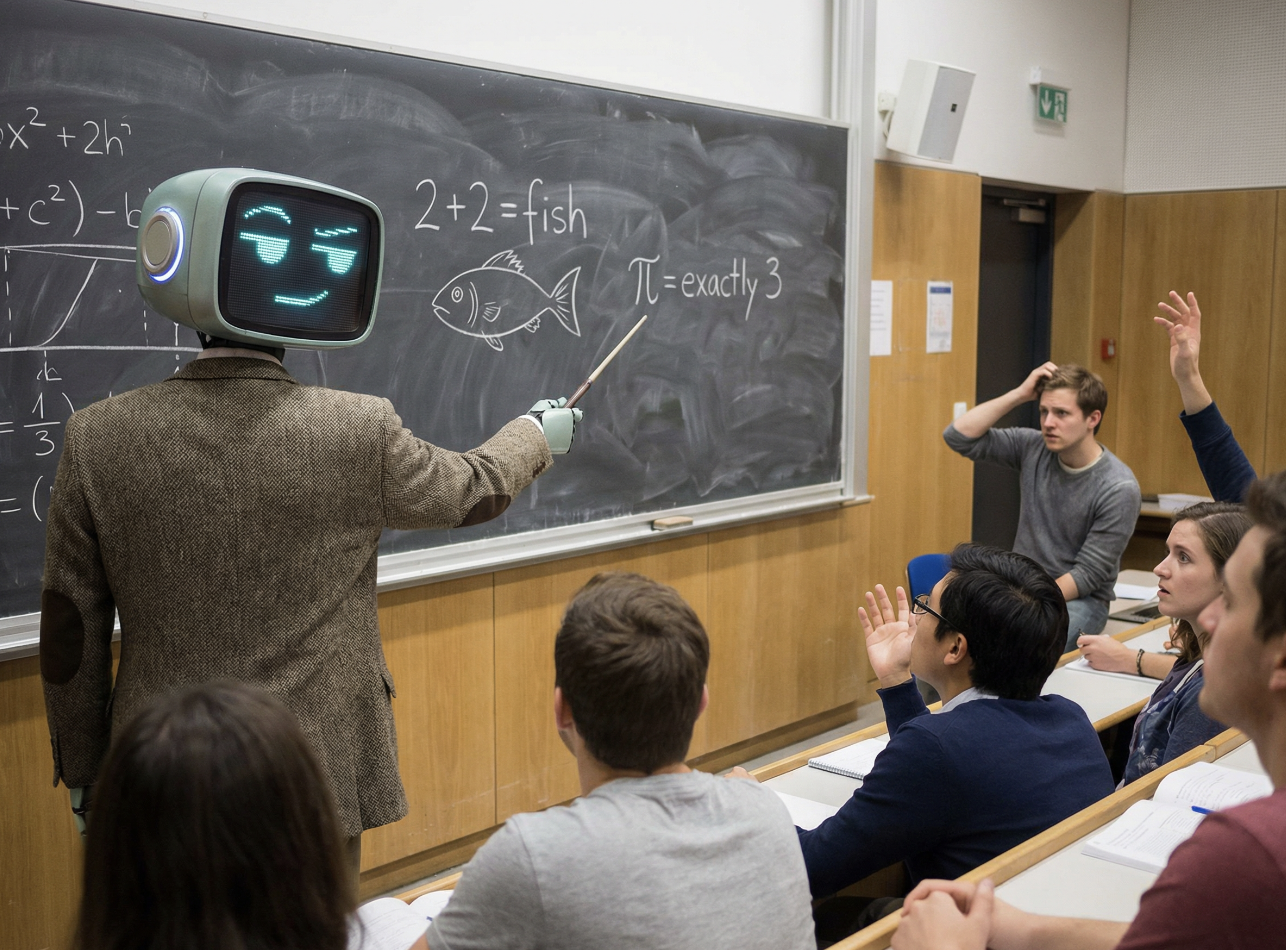
Key Concept: Hallucinations
- Model generates plausible next tokens
- Plausible ≠ True
- Confident prediction ≠ Factual information
The Jagged Frontier of AI
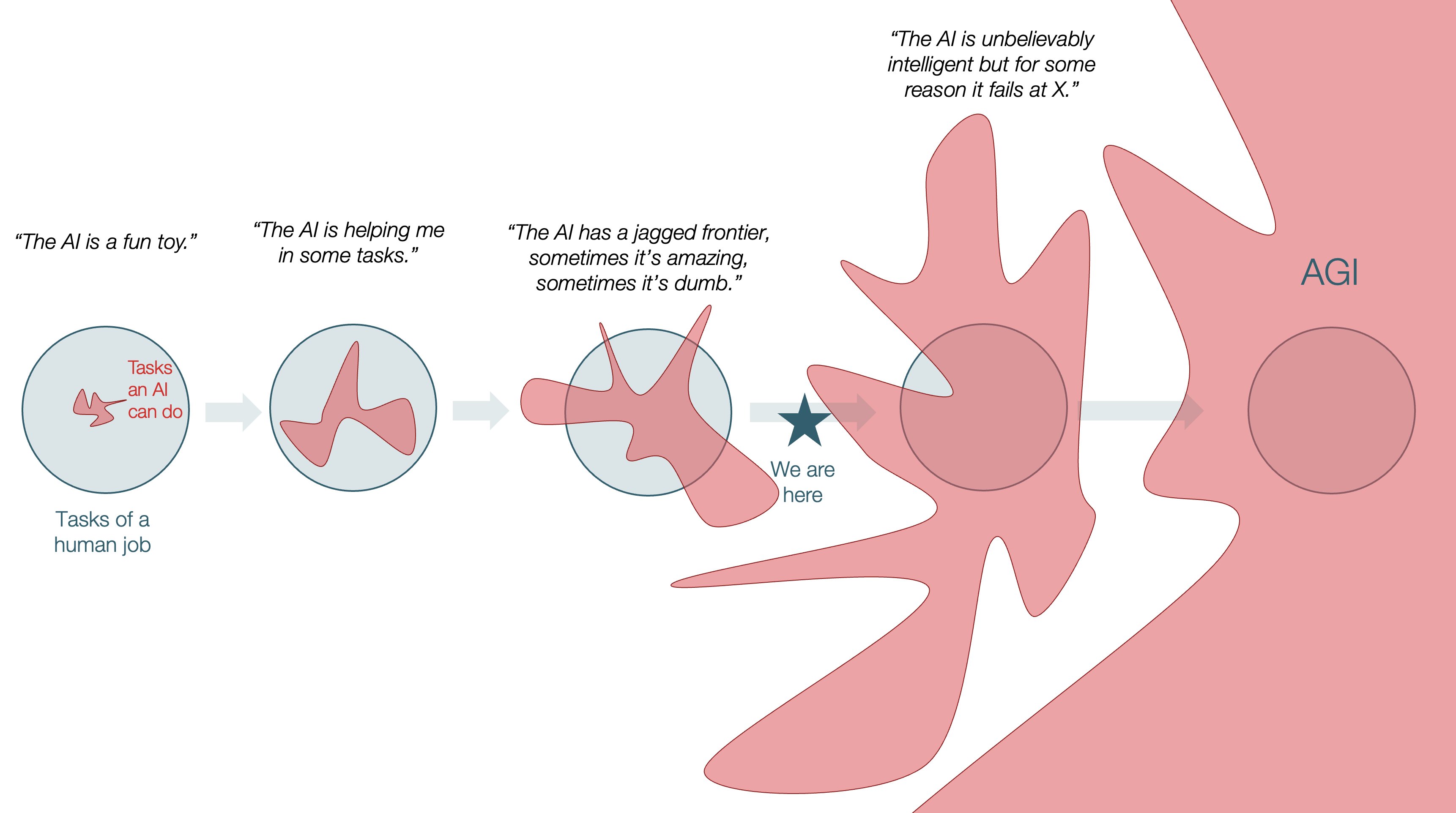
The Jagged Frontier - Key Insights
Source: Ethan Mollick, "The Shape of AI"
The Equation of Agentic Work
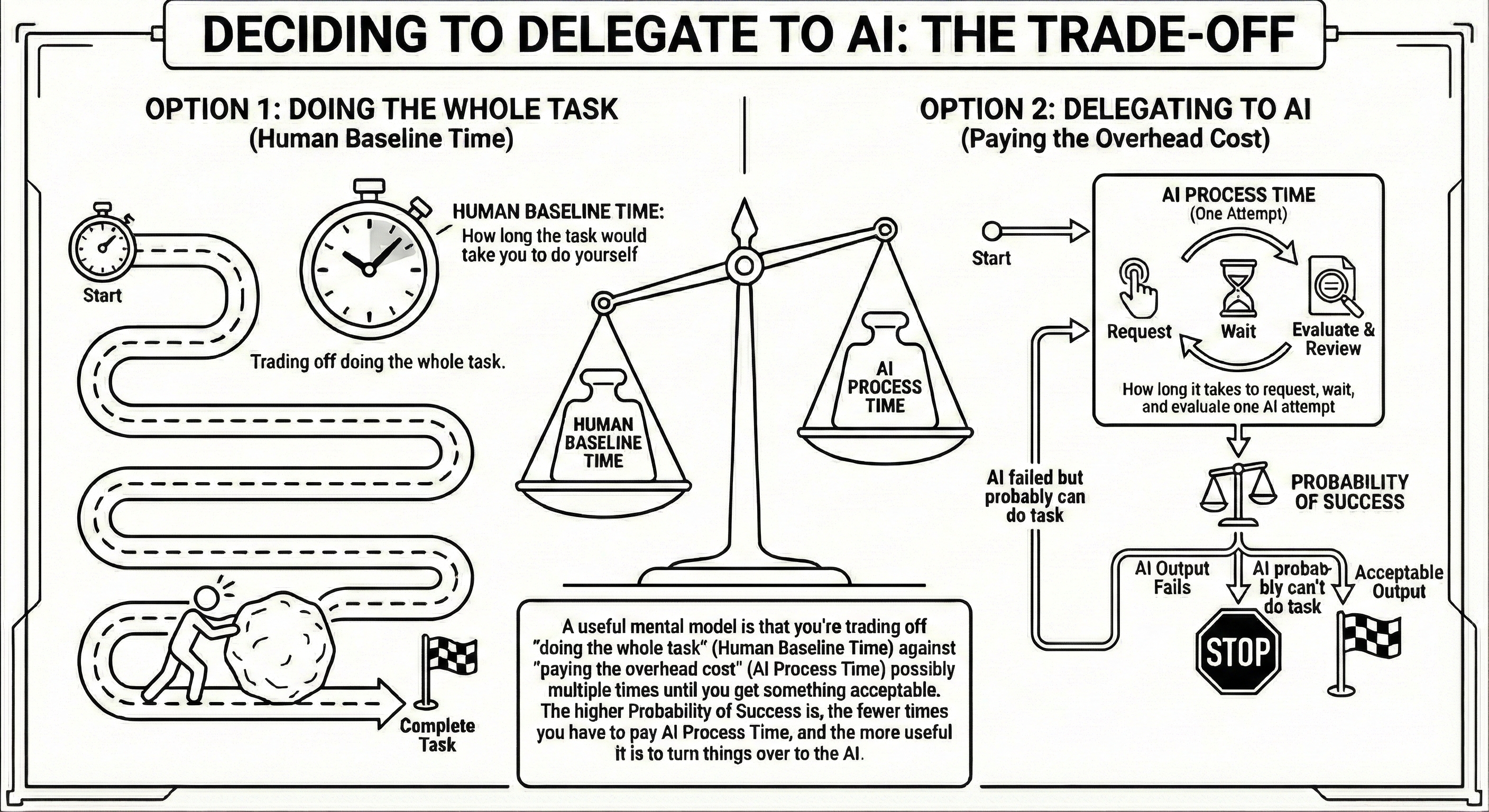
The Equation - Key Factors
Source: Ethan Mollick, "Management as AI Superpower"
Management as AI Superpower
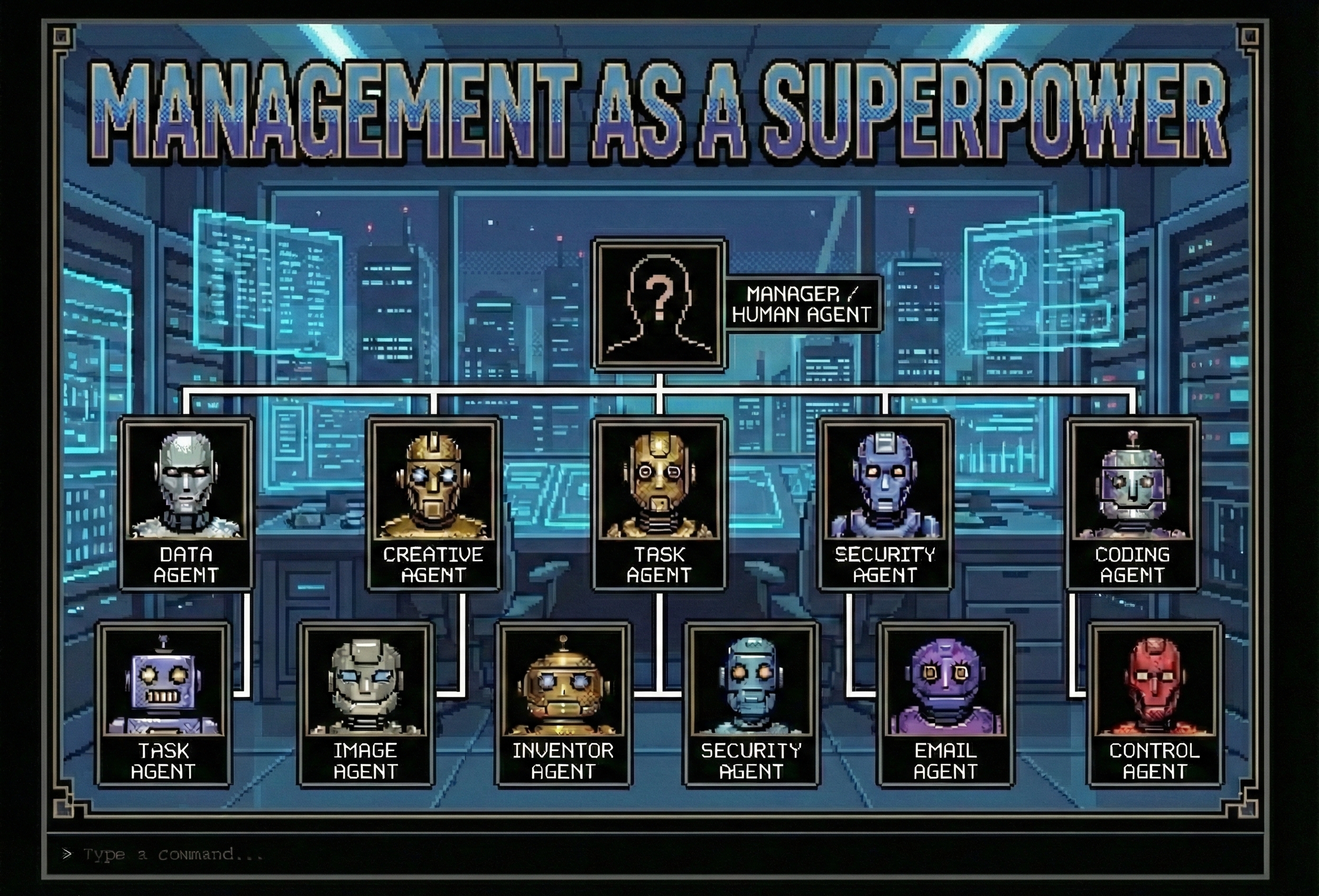
Part 2
Fun Generative Exercises
These aren't just games — they reveal how the model works
Exercise: The Dinosaur Rewrite 🦖

Exercise: The Dinosaur Rewrite 🦖
Take this news article: [paste any recent news]

Rewrite it so that a dinosaur is somehow
centrally involved in the incident.

Keep the same journalistic tone and structure.
Exercise: The Tone Dial 🎚️
"The project deadline was missed again. This is unacceptable. We need to discuss this."
Exercise: Format Juggling 🔄
"John Smith is a 34-year-old software engineer from Seattle. He earns $150,000 at TechCorp..."
Same information, endless formats!
Exercise: The Accordion 🪗
Part 3
From Autocomplete to Agents
The conceptual leap that changes everything
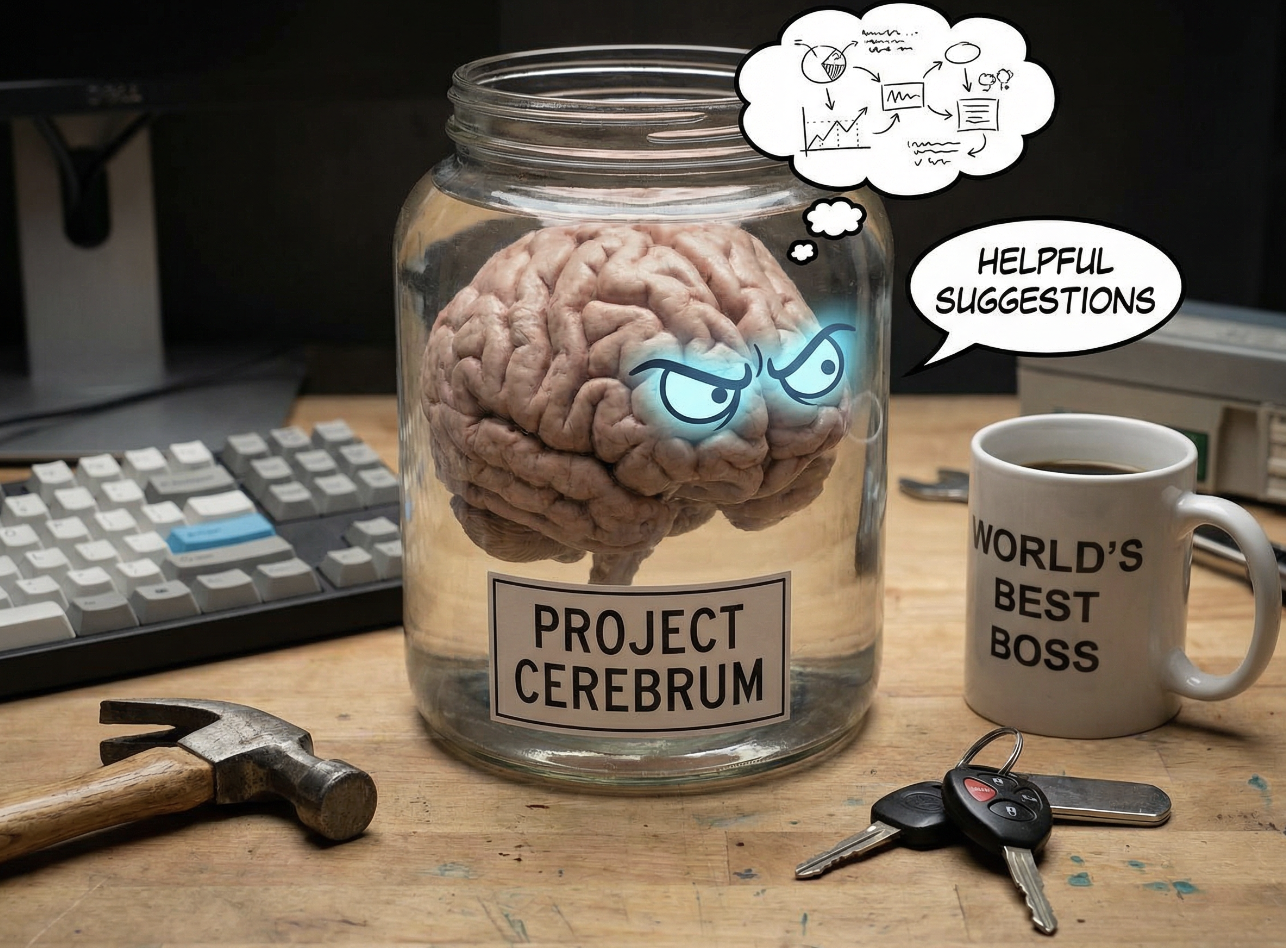
The Limitation
LLMs can only produce text
The Limitation
"All talk, no action"
The Solution: Tools
Give the LLM ability to request actions
{"tool": "get_weather", "location": "Seattle"}
{"temp": 52, "condition": "rainy"}
The ReAct Framework
The ReAct Framework
Why ReAct Works
Activity: Be the LLM

Activity: Be the LLM
LLM outputs either:
TOOL: [name], INPUT: [value]
or
ANSWER: [response]
Prompt → LLM (Round 1)
SYSTEM:
You are a helpful assistant. Follow this loop:
1. THINK out loud about what you need to do
2. ACT by calling a tool if needed
3. OBSERVE the result
4. REPEAT until you can answer

Tools: calculator(expression), web_search(query)

USER:
What is the square root of 65536?
LLM Response (Round 1)
[LLM reasoning]

TOOL: calculator
INPUT: sqrt(65536)
Tool Executor: run the calculation
Tool Result
256
Prompt → LLM (Round 2)
SYSTEM:
You are a helpful assistant. Follow this loop:
1. THINK out loud about what you need to do
2. ACT by calling a tool if needed
3. OBSERVE the result
4. REPEAT until you can answer

Tools: calculator(expression), web_search(query)

USER:
What is the square root of 65536?

ASSISTANT:
[LLM's reasoning from Round 1]
TOOL: calculator
INPUT: sqrt(65536)

TOOL RESULT:
256
LLM Response (Round 2)
[LLM reasoning]

ANSWER: The square root of 65536 is 256.
What Makes an "Agent"
Common Agent Tools
| Tool Type | Examples |
|---|---|
| File system | Read, write, search files |
| Web | Fetch pages, search |
| Code execution | Run scripts, tests |
| APIs | External services |
| Browser | Playwright for web interaction |
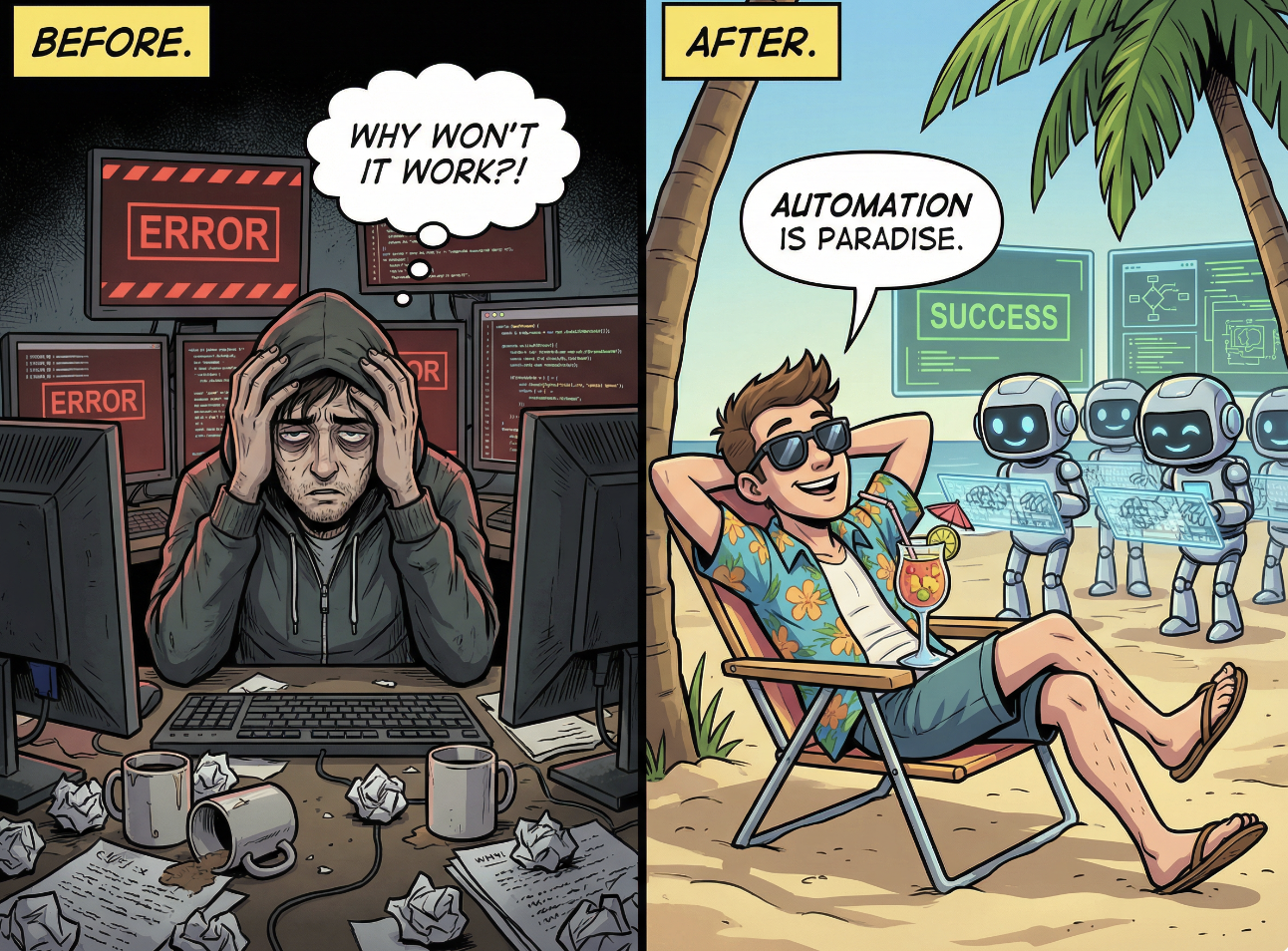
Why Agents Matter for Development
| Before | After |
|---|---|
| AI suggests code | AI READS your code |
| You run tests | AI RUNS your tests |
| You research libraries | AI RESEARCHES for you |
| You fix issues | AI FIXES and verifies |
Transforms AI from "assistant" to "autonomous developer"
Why Agents Matter for Development
Part 4
Lab Time
Put these concepts into practice
Lab Exercises
Rewrite your project description in 3 styles
Or: Technical concept as children's story / rap / news
Write out ReAct steps for researching a library